

It is 10 a.m. on a busy Monday morning. Production is underway in a factory, staff are attending to orders, and deliveries are scheduled for later in the day. Suddenly, the power goes out. Machines stop running, work slows down, and every minute without electricity begins to affect the business. This is why you need to consider getting an industrial generator in Nigeria.
For many Nigerian businesses, this is more than an occasional inconvenience. It is a reminder of how much daily operations depend on a reliable power supply. That is why buying an industrial generator in Nigeria is an important decision for businesses that need to maintain productivity, minimise downtime and keep operations running smoothly.
But choosing a generator is not as simple as buying the biggest unit available or going for the cheapest option. The wrong capacity, high fuel consumption or inadequate after-sales support can create problems long after the purchase.
So, what should you consider before investing in an industrial generator for your business?
Here are seven important factors to help you make a more informed decision:

1. Determine Your Business's Power Requirements
Before comparing generator brands or requesting quotations, take a step back and consider what your business actually needs to power.
A factory running heavy machinery has different electricity requirements from a hotel powering air conditioning, lifts, refrigeration and lighting. An office complex, meanwhile, may need to keep computers, servers and other essential systems operational during an outage.
The first step is to understand your facility's electrical load and identify the equipment that must run simultaneously.
Consider the following:
- Total electrical load: Identify the equipment and systems the generator must support.
- Starting requirements: Motors, compressors and other equipment may require additional power when starting.
- Critical equipment: Determine which systems must remain operational during an outage.
- Future expansion: Consider whether your business plans to increase production or add equipment.
- Operating patterns: Establish which equipment runs simultaneously and for how long.
Generator capacity is commonly expressed in kilovolt-amperes (kVA). A qualified electrical or power-systems professional can assess your load and recommend an appropriate capacity.
Choosing the right size from the beginning helps you avoid paying for unnecessary capacity or investing in a generator that cannot adequately support your operations.
2. Evaluate Fuel Consumption and Operating Costs
The purchase price of a generator is only one part of the overall investment. Fuel and maintenance can contribute significantly to the total cost of ownership, particularly for businesses that operate their generators for extended periods.
Before making a purchase, ask about the generator's expected fuel consumption under your anticipated operating conditions.
Factors that influence fuel consumption include:
- Generator capacity and engine characteristics.
- The electrical load placed on the generator.
- Daily operating hours and duty cycle.
- Maintenance condition.
- Ambient temperature and site conditions.
A generator's fuel consumption at full load may differ considerably from its consumption at partial load. Request manufacturer data for the specific model and compare it against your expected operating profile.
You should also consider recurring expenses such as lubricants, filters, scheduled servicing, replacement parts and unexpected repairs.
For example, a business operating a generator for several hours every day should assess fuel consumption differently from a facility that only needs emergency backup power occasionally.
The goal is to understand the total cost of running the generator over time, rather than choosing the unit with the lowest initial price.
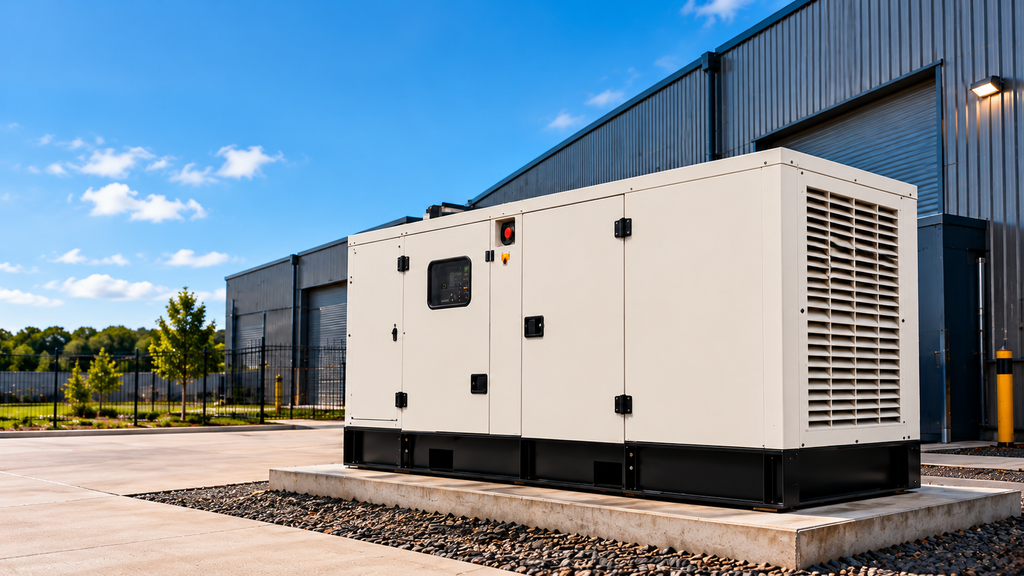
3. Compare Generator Brands, Specifications and Build Quality
Not all generator models offer the same capacities, configurations or features. When comparing brands, look beyond the name and examine the specifications of the actual model you intend to purchase.
Important factors include rated output, fuel consumption, engine configuration, intended application, warranty and maintenance requirements.
For businesses buying an industrial generator in Nigeria, IPS offers generator options from FG Wilson, YORC and Lister Petter.
FG Wilson
FG Wilson offers diesel generator sets across a range of power requirements, with configurations for different standby and prime power applications.
When evaluating an FG Wilson generator, consider the capacity required, the intended operating conditions and the technical support available for the specific model.
Explore FG Wilson generators in Nigeria.
YORC
YORC is another industrial generator brand available through IPS. When considering a YORC generator, compare the available model specifications against your facility's power demand, budget and operating requirements.
Ask for details about the generator's rated capacity, fuel consumption, warranty coverage and recommended maintenance schedule before making a decision.
Explore YORC generators.
Lister Petter
Lister Petter is an established engine and power-generation brand with products for various applications. The suitability of a particular generator depends on its model, capacity, configuration and intended operating conditions.
Before purchasing, verify the specifications of the available unit and ensure that it can handle your facility's electrical load.
Explore Lister Petter generators.
Ultimately, the best generator is not necessarily the most expensive or the most familiar brand. It is the one whose specifications, operating costs and support arrangements match your business requirements.
4. Understand the Difference Between Prime Power and Standby Power
One important consideration when choosing an industrial generator is whether you need a standby generator or a unit rated for prime power.
These ratings describe different operating conditions and should not be treated as interchangeable.
Standby power generators
Standby generators are designed to supply power when the normal electricity source fails. They are typically used as backup systems for facilities that rely primarily on grid electricity but need an alternative during outages.
Potential applications include office buildings, hotels, commercial facilities and businesses that need backup electricity for essential operations.
Prime power generators
Prime power generators are designed for applications where the generator supplies power for extended periods under the operating conditions specified by the manufacturer. They may be suitable for sites with limited grid access or businesses that rely heavily on generator power.
However, prime power ratings have specific operating limits and maintenance requirements. They should not automatically be interpreted as permission for unlimited continuous operation.
Before purchasing, explain to your supplier how frequently the generator will operate, the expected daily runtime and the nature of the connected load.
Choosing the correct rating helps ensure that the generator is appropriate for its intended application.
5. Consider Installation Requirements and Site Conditions
Even a correctly sized generator can underperform if it is poorly installed or unsuitable for the installation environment.
Industrial generator installation requires more than placing the equipment on a concrete surface and connecting it to a building's electrical system. The site must accommodate the generator's physical dimensions, ventilation requirements, exhaust arrangements, fuel system and maintenance access.
Before buying, consider the following:
- Ventilation and cooling: The generator needs adequate airflow to manage heat and operate within the manufacturer's specified conditions.
- Exhaust management: Exhaust gases must be safely directed away from occupied spaces and air intakes.
- Noise control: Depending on the facility and surrounding environment, acoustic enclosures or other noise-control measures may be required.
- Electrical integration: The installation must account for appropriate cabling, protective devices, earthing and integration with the existing electrical system.
- Automatic transfer switches: Where automatic backup power is required, an appropriately specified automatic transfer switch (ATS) can transfer the designated load between approved power sources.
- Physical access: The site should allow technicians to inspect, service and repair the generator safely.
Other requirements may include fuel storage, weather protection, drainage and compliance with applicable safety and environmental requirements.
Discuss these considerations before finalising your purchase. Understanding installation requirements early can help you plan the full project budget and avoid unexpected complications.
6. Check Maintenance Requirements and Spare Parts Availability
Regular maintenance is essential for keeping an industrial generator in good working condition. Without appropriate servicing, generators may experience reduced performance, unexpected breakdowns and avoidable downtime.
Before buying, understand the manufacturer's recommended maintenance schedule and the resources required to keep the generator operating properly.
Ask your supplier about:
- Routine servicing intervals.
- Availability of genuine or manufacturer-approved spare parts.
- Access to qualified technicians.
- Engine oil, coolant and filter requirements.
- Inspection and testing procedures.
- Expected maintenance costs.
- Emergency repair and technical support arrangements.
Maintenance requirements can differ by generator model, operating hours, environmental conditions and usage patterns. Always follow the manufacturer's instructions for the specific equipment.
Businesses that depend on continuous operations should establish a preventive maintenance plan. Scheduled inspections and servicing can help identify developing problems before they cause major disruption.
When evaluating suppliers, consider the support available after installation, not just the equipment being delivered.
7. Evaluate Warranty Coverage and After-Sales Support
The relationship with your generator supplier should not end when the equipment is delivered.
Warranty coverage and after-sales support can make a significant difference when your business needs technical assistance, routine maintenance or replacement parts.
Before committing to a purchase, clarify what the supplier and manufacturer will provide.
Important questions include:
- What does the warranty cover, and what exclusions apply?
- How long does the warranty last?
- Who is responsible for warranty-related servicing?
- Are spare parts available locally or must they be ordered?
- Is installation and commissioning included in the quotation?
- What technical support is available if the generator develops a fault?
- Are preventive maintenance services available after purchase?
Request written confirmation of the warranty terms and any services included in the purchase.
It is also worth confirming whether delivery, installation, testing and commissioning are included in the quotation or charged separately.
For businesses operating across multiple locations or relying on power for essential services, dependable technical support should be an important part of the purchasing decision.
A suitable generator combined with proper installation and ongoing maintenance can help businesses manage their power needs more effectively.
Common Mistakes to Avoid When Buying an Industrial Generator
In addition to the seven considerations above, avoid these common purchasing mistakes.
Choosing a generator based on price alone. A lower purchase price does not necessarily mean lower lifetime costs. Compare fuel consumption, maintenance, installation and warranty coverage.
Buying the wrong capacity. An undersized generator may struggle with the connected load, while an oversized unit may increase costs and operate inefficiently under certain load conditions.
Ignoring starting loads. Equipment such as motors and compressors may require additional starting power. Make sure the generator selection accounts for these requirements.
Overlooking installation costs. Electrical integration, exhaust arrangements, ventilation, fuel systems and commissioning can add to the overall project cost.
Failing to verify the generator rating. Confirm whether the unit is rated for standby or prime power and ensure the rating matches the intended use.
Ignoring after-sales support. Confirm that qualified technicians, suitable parts and maintenance services are available for the model you intend to purchase.
Avoiding these mistakes can help you make a more informed decision and select equipment that suits your operational requirements.
Why Choose IPS for Your Industrial Generator Needs?
Choosing an industrial generator involves several decisions, from assessing the required capacity to evaluating fuel consumption, installation and ongoing maintenance.
Intricate Power and Services Limited (IPS) provides generator solutions for customers seeking power equipment for their facilities. Its generator offering includes FG Wilson, YORC and Lister Petter, giving businesses options to evaluate against their power requirements.
IPS also provides generator-related services, including supply, installation, commissioning and maintenance support.
Whether you are equipping a new facility, upgrading an existing generator or planning backup power for your business, it is important to start with a clear understanding of your requirements.
A proper assessment can help identify the appropriate capacity, installation considerations and support arrangements for your project.
Frequently Asked Questions About Buying an Industrial Generator in Nigeria
1. How do I choose the right industrial generator for my business?
Start by assessing your facility's total electrical load, equipment starting requirements, expected operating hours and critical power needs. Then compare suitable generator models based on their capacity, duty rating, fuel consumption, installation requirements and maintenance support.
2. How much does an industrial generator cost in Nigeria?
Industrial generator brands prices in Nigeria vary according to capacity, brand, model, configuration, exchange rates, availability and installation requirements. The total project cost may also include delivery, electrical integration, commissioning and ongoing maintenance. Contact a supplier for a current quotation based on your requirements.
3. What size of generator is suitable for a factory?
The appropriate capacity depends on the factory's machinery, electrical load, starting currents and operating requirements. A professional load assessment is recommended before choosing a generator, particularly for facilities with heavy machinery or multiple production lines.
4. Which generator brands are available through IPS?
IPS offers generator options from FG Wilson, YORC and Lister Petter. The availability of particular models and capacities should be confirmed directly with IPS.
5. How often should an industrial generator be serviced?
Service intervals depend on the generator model, operating hours, load and environmental conditions. Follow the manufacturer's maintenance schedule and arrange regular inspections with qualified technicians.
6. Should I buy a standby or prime power generator?
A standby generator is generally intended to provide backup electricity when the normal power source fails. A prime power generator is designed for applications requiring extended operation under specified conditions. The right choice depends on how frequently the generator will run and the manufacturer's rating for the particular model.
7. Does buying an industrial generator include installation?
Not necessarily. Installation, delivery, commissioning, electrical integration and other services may be included or quoted separately. Confirm the full scope of work and associated costs with your supplier before purchasing.
Conclusion
Buying an industrial generator brand generator in Nigeria requires careful consideration of your business's power demand, operating costs, generator specifications, installation environment and long-term maintenance needs.
By assessing these factors before purchasing, you can make a better-informed decision and reduce the risk of choosing equipment that does not meet your operational requirements.
Remember that the right generator is not simply the one with the lowest price or the highest capacity. It is the one that is correctly specified for your facility, suitable for its intended operating conditions and supported by reliable technical service.
If your business is planning to purchase or upgrade an industrial generator, IPS can help you explore available generator options and discuss the requirements for your project.
Contact Intricate Power and Services Limited to get started with your generator enquiry.
0 Comments